modernising double-deckers
highlights
- strong collaboration with NS enables efficient and reliable modernisation of double-decker train fleets
- integrated aluminum solutions from extrusion to surface finish, ensuring precision and consistency
- sustainable modernisation extends service life, reduces waste, and supports long-term environmental goals
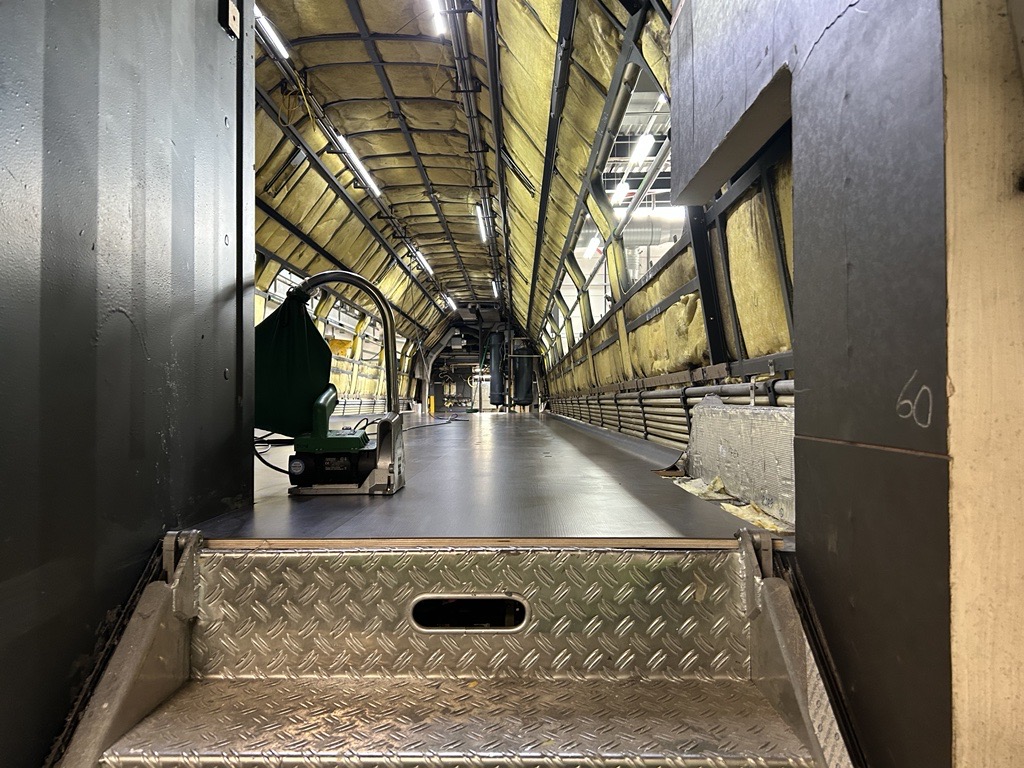
When Nederlandse Spoorwegen (NS) decided to modernise its VIRM 2/3 double-decker fleet, the project was not only about maintenance, it was also about reinvention. Together with Aalberts, NS set out to reimagine how rail assets can be upgraded for the future while maximising sustainability, precision, and reliability.
Aalberts took full ownership of the aluminum interior solution. From extrusion to CNC machining, bending, engraving, surface treatment, and final assembly, every step happens under one roof. This vertical integration ensures consistency and precision in every component, reducing the need for multiple suppliers and streamlining the refurbishment of safety-critical train interiors.
For the VIRM 2/3 programme alone, Aalberts produced and delivered 8,350 KITS for floor profiles which were lightweight, durable aluminum components that sit largely under the floor but are essential to structural integrity and longevity. Each train moves through fourteen workstations at NedTrain, with these KITS integrated seamlessly into the refurbishment process, allowing NS to modernise entire trainsets efficiently and reliably.
Sustainability is central to the project. By modernising existing trainsets rather than building new ones, materials are reused and waste is minimised. Aalberts’ integrated production approach further supports this goal: controlling every step in-house allows for lower environmental impact and enables carbon footprint calculations that give customers like NS clear insights into their ecological performance.
Being part of Aalberts strengthens this collaboration. NS gains a stable, long-term partner with a proven track record in engineering, mobility, and sustainable manufacturing. For Aalberts, the project demonstrates how precision, integration, and ownership across the full supply chain can turn a complex refurbishment into a successful, future-ready solution.
also relevant

other news
most read
latest

.jpg)